General Dermatology
Acne Treatment in Tampa
Whether you have occasional minor breakouts or daily painful cysts, there are safe and proven ways to achieve clear, healthy skin. Dr. Sergay personalizes every acne treatment plan to your skin type, acne type, and medical history.
Book an Appointment
Dr. Sergay's Approach
Our Approach to Acne
Clear skin depends on a treatment regimen that addresses the type of acne blemish you have, your skin type, and your medical history. There is no one-size-fits-all solution for acne patients.
Dr. Sergay evaluates each patient's skin needs and formulates a personalized treatment plan. Often, the initial step is reducing the inflammation in the skin — which not only improves acne, but also makes the skin more receptive to the targeted treatments Dr. Sergay selects.
At Sergay Dermatology, we offer proven treatment options including topical creams and serums, oral medications, chemical peels, and more — all customized to you.
Personalized Plans
Individualized treatment plans
Board-Certified
Expert dermatologist-led care
Understanding Your Skin
Types of Acne We Treat
Identifying the right type of acne is the first step toward the right treatment. Dr. Sergay evaluates each patient individually to determine the most effective approach.
Comedonal Acne
MildBlackheads and whiteheads caused by clogged pores. Usually non-inflammatory and often the first stage of acne, best treated with retinoids and gentle exfoliation.
Inflammatory Acne
ModerateRed, tender papules and pustules caused by bacteria and immune response in clogged pores. Topical antibiotics and benzoyl peroxide are commonly used.
Cystic Acne
SevereDeep, painful cysts filled with pus that can cause significant scarring. Often requires oral medications, including antibiotics or oral vitamin-A therapy, for effective control.
Hormonal Acne
AdultBreakouts linked to hormonal fluctuations, common in adults — especially along the jawline and chin. Hormone-regulating therapies may be part of the treatment plan.
Acne Rosacea
RosaceaA condition that mimics acne with flushing, redness, and pimple-like breakouts on the face. Requires different treatment than traditional acne.
Acne Scars
ScarringPost-acne scarring including ice pick, boxcar, and rolling scars, as well as post-inflammatory hyperpigmentation. Treated with microneedling, peels, and lasers.
Treatment Options
How Dr. Sergay Treats Acne
Dr. Sergay draws from a comprehensive toolkit of proven acne treatments to build a plan unique to you. The right combination depends on your skin type, acne severity, lifestyle, and goals.
Topical Treatments
First-line treatmentPrescription-strength retinoids, benzoyl peroxide, and topical antibiotics to clear pores and reduce bacteria directly at the skin surface.
Oral Medications
For moderate to severeOral antibiotics and, when indicated, oral vitamin-A therapy for severe or resistant acne under careful medical supervision.
Chemical Peels
In-office procedureSalicylic acid, glycolic acid, and other physician-selected peels to exfoliate, unclog pores, reduce oiliness, and improve post-acne discoloration.
Microneedling
For acne scarsCollagen induction therapy with SkinPen FDA-cleared device — excellent for treating acne scars, post-inflammatory marks, and improving overall skin texture.
Hormonal Therapy
Adult hormonal acneHormone-regulating oral medications for hormonally driven acne in adults, addressing the root hormonal cause rather than just the surface symptoms.
Laser & Light Therapy
Advanced technologyAdvanced laser treatments target the bacteria and sebaceous glands responsible for acne, reducing breakouts and improving skin tone with minimal downtime.

At-Home Care
Simple Skincare Tips
What you do at home matters. These evidence-based tips from Dr. Sergay can help support your treatment and prevent new breakouts.
Avoid products that irritate your skin
- Many over-the-counter topicals can be irritating and actually make acne worse.
- If your skin becomes red and dry from a product, it may not be right for you.
- Use a gentle, non-comedogenic cleanser twice a day and after sweating.
Keep hands off your face
- Excess oil from your hands can lead to further flares and clogged pores.
- Popping, picking, or squeezing blemishes can worsen acne and cause permanent scars.
- Change your pillowcase frequently to reduce bacterial transfer overnight.
See a dermatologist early
- Avoid wasting time and money on products that won't give you the results you need.
- Treating acne early leads to faster clearance and fewer lasting scars.
- Dr. Sergay can identify the underlying cause and target it precisely.
Protect and hydrate your skin
- Apply a broad-spectrum SPF 30+ sunscreen daily — sun exposure worsens acne marks.
- Use a lightweight, oil-free moisturizer even if your skin feels oily.
- Avoid heavy, pore-clogging makeup and opt for non-comedogenic formulas.
85%
of people affected by acne at some point
3–6 mo
average time to see significant improvement
95%
clearance rate with oral vitamin-A therapy
All ages
children, teens, and adults treated
Your Dermatologist
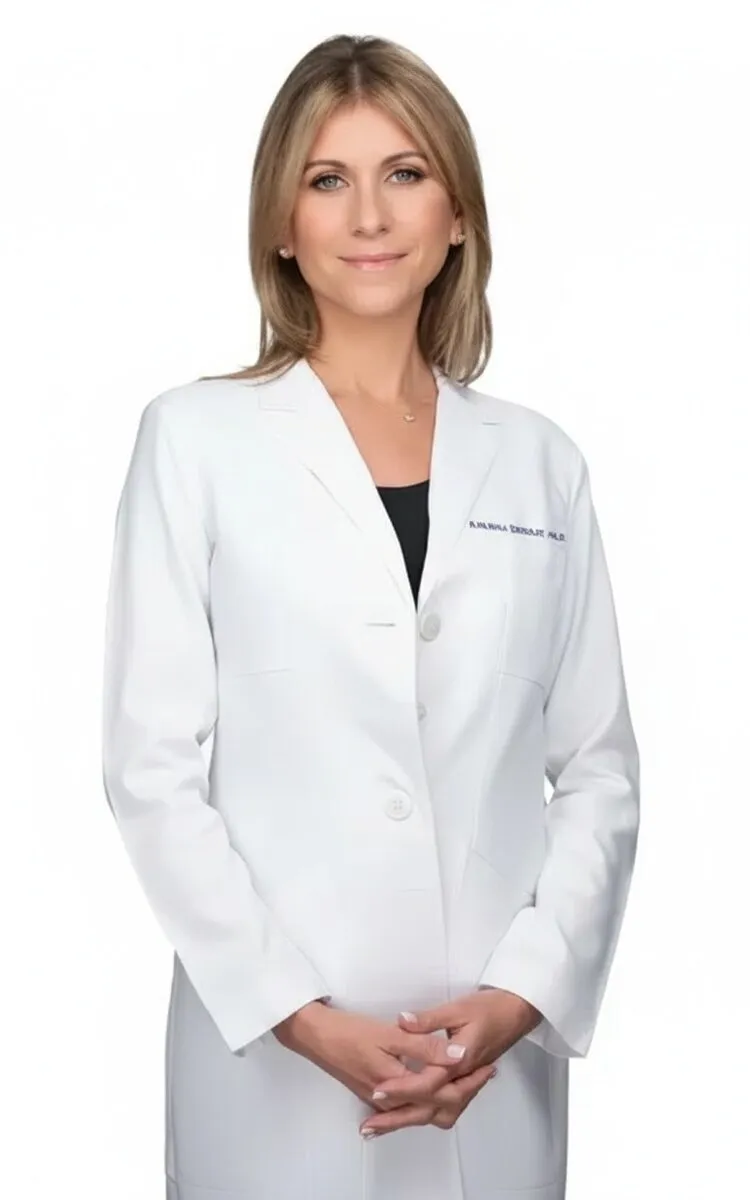
About Amanda Sergay, MD
Board Certified
American Board of Dermatology
Specialties
Medical · Surgical · Cosmetic
Location
South Tampa, FL
Board-Certified Dermatologist · Medical · Surgical · Cosmetic
Amanda Sergay, MD is a board-certified dermatologist committed to excellence in comprehensive dermatological care. Originally from the Tampa area, Dr. Sergay received her undergraduate degree from Emory University and earned her medical degree from the University of Miami Miller School of Medicine.
She completed her residency in dermatology at Mount Sinai St. Luke's-Roosevelt Hospital Center in New York City, where she served as Chief Resident during her final year. Her practice encompasses medical, surgical, and cosmetic dermatology, treating both adults and children.
Dr. Sergay has been named to Tampa Magazine's Top Docs Edition in 2019, 2020, 2021, 2022, 2023, 2024, 2025 and 2026, and was twice named to New York Magazine's New York Rising Star list.
Awards & Recognition
Tampa Magazine Top Docs
 20192020202120222023202420252026
Super Doctors

Emory University
Undergraduate
Univ. of Miami Miller
Medical Degree
Mount Sinai NYC
Residency · Chief Resident
Patient Reviews
What Our Patients Say
Real Google reviews from patients who trust Dr. Sergay with their skin health.
“After what felt like a never-ending search for the right doctor to help with my skin irritations, I finally found Dr. Sergay — and what a blessing! She's not only incredibly genuine, but she also took the time to explain everything in detail so I fully understood both my issue and the solution. It's easy to see why she's made such a respected name for herself here and in New York.”
Christin Hillis
13 reviews · 2 photos
“I am so fortunate to have found Dr. Sergay! She's so skilled and knowledgeable, and I feel comforted by her attention to detail. It is obvious that she truly cares about her patients!”
Marguerite Rogal
1 review
“Dr. Sergay is awesome! I am a new patient and very much appreciated her approach, thoughtfulness and attention to detail. Highly recommend!”
Chad Panton
Local Guide · 36 reviews · 2 photos
“Dr. Sergay is incredibly knowledgeable and very sweet! She's always attentive during each visit, and no matter the concern, she takes the time to understand the root of the issue and explain everything clearly. You can tell she truly cares about her patients!”
Lily Oliva
5 reviews
“Wonderful office, the Dr. listened to all my concerns and addressed each with good communication and ideas. My new Derm.”
Carol Gould
Local Guide · 21 reviews · 1 photo
“Dr. Sergay was just fabulous. Thorough for our skincare check and so informative. Highly recommend for anyone looking to get an established, yearly dermatologist for skin cancer checks.”
Iris Moore
9 reviews
Got Questions?
Frequently Asked Questions
Dr. Sergay performs a thorough skin evaluation during your appointment, assessing the type and severity of acne, your skin type, medical history, and any previous treatments you've tried. This comprehensive approach ensures the treatment plan is targeted and effective for your specific situation.
There is no single "best" treatment — the right approach depends on your acne type and severity. Mild comedonal acne often responds well to topical retinoids; moderate inflammatory acne may require topical or oral antibiotics; and severe cystic acne often needs oral vitamin-A therapy. Dr. Sergay will recommend the right combination for you.
Not at all. While acne is most common in teens due to hormonal changes, adult acne is extremely common — especially in women. Hormonal fluctuations from menstrual cycles, pregnancy, and stress are frequent triggers in adults, and Dr. Sergay treats patients of all ages.
Yes. Post-acne scarring and hyperpigmentation can be significantly improved with treatments like microneedling (SkinPen), chemical peels, and laser therapy. The sooner acne is treated and controlled, the less scarring occurs — another reason to seek care early.
Most topical treatments take 6–8 weeks before noticeable improvement is seen. Oral antibiotics may work faster. Oral vitamin-A therapy is typically a 5–6 month course. Dr. Sergay will set realistic expectations and monitor your progress throughout treatment.
Not necessarily. Many patients achieve long-term remission with a proper treatment course. Maintenance therapy — such as a topical retinoid — is often recommended to keep acne from returning. Dr. Sergay will guide you through transitioning from active treatment to a sustainable maintenance routine.
Research suggests high-glycemic foods and dairy may worsen acne in some individuals. While diet alone typically isn't a cure, Dr. Sergay can discuss lifestyle factors that may be contributing to your breakouts as part of your overall treatment plan.
Yes. Superficial chemical peels with salicylic or glycolic acid are particularly effective for acne-prone skin — they exfoliate, unclog pores, and reduce oiliness. Dr. Sergay selects the peel formula and strength best suited to your skin type to ensure safe and effective results.
Take the First Step
Schedule a Visit
Dr. Sergay will evaluate your skin, explain your options, and create a personalized treatment plan.