General & Cosmetic Dermatology
Melasma Treatment in Tampa
Melasma causes darker spots and patches on the face that worsen with sun exposure and hormonal changes. It's frustrating — but with the right combination of creams, peels, and laser, it can be effectively managed. Dr. Sergay creates individualized plans for long-term clearance.

Dr. Sergay's Approach
Understanding Melasma
Melasma is a skin condition that causes darker spots and patches to appear on the face — typically on the cheeks, forehead, upper lip, nose, and chin. This frustrating condition worsens with sun exposure and some hormonal scenarios, including pregnancy, birth control use, and hormonal therapies.
Fortunately, there are effective treatments including creams, peels, and laser. Sun protection is critically important — even if effectively treated, melasma can recur with excessive UV exposure. In Tampa's intense year-round sun, this makes daily SPF non-negotiable.
Dr. Sergay evaluates the type and depth of your melasma before recommending a treatment plan. Because melasma is a chronic condition prone to recurrence, her approach focuses on both active clearance and long-term maintenance — not just a one-time fix.
Tampa's Sun & Melasma
Florida's high UV index makes melasma especially challenging to manage. Dr. Sergay incorporates strict photoprotection protocols into every melasma treatment plan — because without daily SPF 50+ and sun avoidance, even the best treatments will not hold.
Depth Assessment
Epidermal, dermal & mixed
Maintenance Plans
Long-term clearance focus
Diagnosis Matters
Types of Melasma
Melasma is classified by how deep the pigment lies in the skin. Identifying the type is essential — because treatment selection and expected outcomes differ significantly between them.
Epidermal Melasma
Most ResponsivePigment is deposited in the upper layers of the skin (epidermis). This type appears dark brown under normal light and has well-defined borders. It responds best to topical treatments like hydroquinone, retinoids, and chemical peels.
- Dark brown, well-defined patches
- Visible under Wood's lamp examination
- Best treatment response
- Responds to topicals, peels & laser
Dermal Melasma
Deeper LayerPigment is deeper in the dermis, giving a blue-gray or ash-gray appearance. This type is more resistant to treatment because standard topical agents cannot penetrate deeply enough. Combination approaches and longer treatment timelines are often required.
- Blue-gray or ashy discoloration
- Less defined borders
- More treatment-resistant
- Requires combination approach
Mixed Melasma
Most CommonThe most common pattern, with pigment present in both the epidermis and dermis. Shows a combination of brown and blue-gray patches. Requires a multi-modal treatment strategy that addresses both depths simultaneously.
- Both brown & blue-gray tones
- Most frequently encountered type
- Requires layered treatment
- Longer maintenance phase needed
What Makes It Worse
Melasma Triggers & Causes
Melasma is driven by multiple overlapping factors — UV light is the most significant, but hormones, heat, and certain products all play a role. Understanding your personal triggers is the foundation of a successful management plan.
UV & Sun Exposure
- Unprotected sun exposure (the #1 trigger)
- Florida's year-round high UV index
- Reflected UV from water, sand & glass
- Tanning beds and UV lamps
Hormonal Changes
- Pregnancy ("mask of pregnancy")
- Combined oral contraceptives
- Hormone replacement therapy (HRT)
- Intrauterine devices (IUDs) with hormones
Heat
- Intense heat from the sun
- Hot yoga or saunas
- Steam and cooking heat
- Infrared light exposure
Skincare & Products
- Phototoxic ingredients (bergamot, lime oils)
- Harsh exfoliants causing inflammation
- Fragranced products on sun-exposed skin
- Certain acne medications without SPF
Genetics
- Family history of melasma
- Fitzpatrick skin types III–V at highest risk
- More prevalent in Hispanic, Asian & Middle Eastern populations
- Genetic predisposition to UV sensitivity
Other Factors
- Thyroid dysfunction
- Certain anti-seizure medications
- Stress-induced hormonal fluctuations
- Post-inflammatory hyperpigmentation overlap
Effective Solutions
How Dr. Sergay Treats Melasma
There is no single cure for melasma — but a carefully layered combination of treatments can achieve remarkable clearance. Dr. Sergay designs your plan based on your melasma type, skin tone, and triggers.
Prescription Topical Creams
The cornerstone of melasma treatment. Dr. Sergay prescribes customized topical regimens that may include hydroquinone (a melanin-inhibitor), tretinoin (retinoid for cell turnover), azelaic acid, kojic acid, tranexamic acid, and combination formulas — tailored to your skin tone and melasma depth.
Chemical Peels
Superficial and medium-depth chemical peels remove pigmented surface skin cells and accelerate turnover, dramatically improving melasma. Dr. Sergay performs physician-grade peels using glycolic acid, salicylic acid, lactic acid, and TCA. Chemical peels are often combined with topical therapy for superior results.
Learn about Chemical PeelsLaseMD Ultra Laser
LaseMD Ultra is a non-ablative fractional laser that targets pigment in both the epidermis and upper dermis — making it particularly valuable for mixed and dermal melasma. It stimulates new collagen formation while breaking up pigment deposits, with minimal downtime.
Learn about LaseMD UltraStrict Sun Protection
Non-negotiable in any melasma plan. Daily application of SPF 50+ broad-spectrum sunscreen (physical/mineral preferred), wide-brim hats, UPF clothing, and UV-blocking car and window film. Even perfectly treated melasma will return without rigorous photoprotection — especially in Tampa's sun.
Microneedling
Microneedling creates microchannels in the skin that both stimulate collagen and enhance delivery of topical depigmenting agents. When combined with tranexamic acid or other brightening serums, it offers a powerful boost for stubborn melasma — especially for patients who are not ideal laser candidates.
Learn about MicroneedlingMaintenance & Prevention
Because melasma is a chronic condition, maintenance therapy is key. Dr. Sergay builds long-term plans including periodic peels, ongoing topical regimens, and seasonal SPF adjustments — so your results last and recurrence is minimized year-round.
90%
Of melasma cases are in women
3 Types
Epidermal, dermal & mixed
Combo
Best results with multi-modal approach
SPF 50+
Required daily — especially in Tampa
Your Dermatologist
About Amanda Sergay, MD
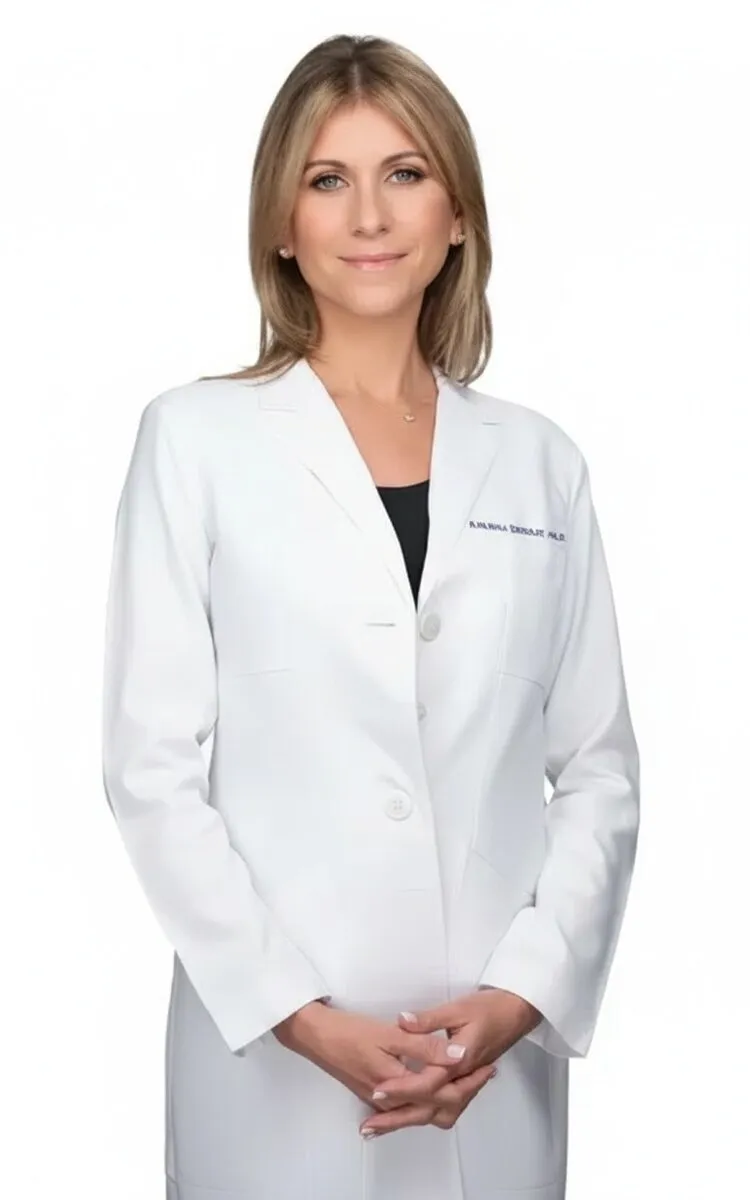
Board Certified
American Board of Dermatology
Specialties
Medical · Surgical · Cosmetic
Location
South Tampa, FL
Board-Certified Dermatologist · Medical · Surgical · Cosmetic
Amanda Sergay, MD is a board-certified dermatologist committed to excellence in comprehensive dermatological care. Originally from the Tampa area, Dr. Sergay received her undergraduate degree from Emory University and earned her medical degree from the University of Miami Miller School of Medicine.
She completed her residency in dermatology at Mount Sinai St. Luke's-Roosevelt Hospital Center in New York City, where she served as Chief Resident during her final year. Her practice encompasses medical, surgical, and cosmetic dermatology, treating both adults and children.
Dr. Sergay has been named to Tampa Magazine's Top Docs Edition in 2019, 2020, 2021, 2022, 2023, 2024, 2025 and 2026, and was twice named to New York Magazine's New York Rising Star list.
Awards & Recognition
Tampa Magazine Top Docs
 20192020202120222023202420252026
Super Doctors

Emory University
Undergraduate
Univ. of Miami Miller
Medical Degree
Mount Sinai NYC
Residency · Chief Resident
Patient Reviews
What Our Patients Say
Real Google reviews from patients who trust Dr. Sergay with their skin health.
“After what felt like a never-ending search for the right doctor to help with my skin irritations, I finally found Dr. Sergay — and what a blessing! She's not only incredibly genuine, but she also took the time to explain everything in detail so I fully understood both my issue and the solution. It's easy to see why she's made such a respected name for herself here and in New York.”
Christin Hillis
13 reviews · 2 photos
“I am so fortunate to have found Dr. Sergay! She's so skilled and knowledgeable, and I feel comforted by her attention to detail. It is obvious that she truly cares about her patients!”
Marguerite Rogal
1 review
“Dr. Sergay is awesome! I am a new patient and very much appreciated her approach, thoughtfulness and attention to detail. Highly recommend!”
Chad Panton
Local Guide · 36 reviews · 2 photos
“Dr. Sergay is incredibly knowledgeable and very sweet! She's always attentive during each visit, and no matter the concern, she takes the time to understand the root of the issue and explain everything clearly. You can tell she truly cares about her patients!”
Lily Oliva
5 reviews
“Wonderful office, the Dr. listened to all my concerns and addressed each with good communication and ideas. My new Derm.”
Carol Gould
Local Guide · 21 reviews · 1 photo
“Dr. Sergay was just fabulous. Thorough for our skincare check and so informative. Highly recommend for anyone looking to get an established, yearly dermatologist for skin cancer checks.”
Iris Moore
9 reviews
Common Questions
Melasma FAQ
Melasma is a common skin condition that causes brown or gray-brown patches, most often on the face. It happens when melanocytes (the skin's pigment-producing cells) become overactive and produce too much melanin. The exact trigger is often multifactorial — UV exposure activates melanocytes, hormones (especially estrogen and progesterone) increase their sensitivity, and heat further stimulates pigment production. Genetic predisposition plays a significant role, which is why melasma runs in families.
Melasma is a chronic condition with a tendency to recur — especially with sun exposure. There is no permanent cure, but it can be very effectively managed and significantly lightened with the right treatment plan. Many patients achieve near-complete clearance and maintain it with ongoing sun protection and periodic maintenance treatments. Dr. Sergay's focus is long-term control, not just a temporary fix.
Strict, consistent sun protection is the single most critical component — without it, nothing else works long-term. In Tampa's intense sun, this means daily SPF 50+ mineral sunscreen, wide-brimmed hats, UV-protective clothing, and sun avoidance during peak hours. Even on cloudy days and indoors near windows, UV rays can stimulate melasma. Dr. Sergay will discuss a comprehensive photoprotection strategy at your visit.
Results vary depending on the type and severity of melasma. With topical creams, most patients see improvement within 6–12 weeks of consistent use. Chemical peels can produce noticeable lightening after 1–3 sessions. LaseMD Ultra typically shows results after a series of 3–4 treatments spaced 4–6 weeks apart. Darker, dermal melasma responds more slowly than superficial epidermal melasma. Dr. Sergay will set realistic expectations at your consultation.
During pregnancy, many standard melasma treatments — including hydroquinone, tretinoin, and certain chemical peels — are not recommended. Dr. Sergay will recommend pregnancy-safe alternatives such as azelaic acid, vitamin C, and physical SPF 50+ sunscreen. Post-delivery, once breastfeeding is complete, a full treatment plan can be started. Pregnancy-related melasma (chloasma) often fades naturally after delivery, though not always completely.
Yes — melasma is more common and often more pronounced in people with Fitzpatrick skin types III–V (medium to deep skin tones), including Hispanic, Asian, Middle Eastern, and South Asian populations. Treatment must be approached carefully in darker skin tones because aggressive lasers or peels can cause post-inflammatory hyperpigmentation (PIH) — worsening the discoloration. Dr. Sergay has extensive experience treating melasma safely across all skin tones.
OTC products containing ingredients like vitamin C, niacinamide, kojic acid, or tranexamic acid can help mildly improve melasma — but they're rarely sufficient on their own for moderate or severe cases. Prescription-strength treatments (e.g., hydroquinone 4%, tretinoin, combination formulas) are significantly more effective. Dr. Sergay can evaluate your melasma and determine whether OTC maintenance or prescription therapy is appropriate.
All three involve increased skin pigmentation, but they differ in pattern, depth, and cause. Freckles are small, well-defined, and genetic — they often fade in winter. Sun spots (solar lentigines) are flat, clearly bordered, and caused purely by cumulative UV damage. Melasma is larger, patchier, hormonally driven, and more symmetrical — often involving both cheeks, the forehead, or upper lip simultaneously. Accurate diagnosis is essential for choosing the right treatment.
Start Your Treatment Plan
Schedule a Visit
Melasma can be managed with the right combination of treatments. Dr. Sergay will evaluate your melasma type, skin tone, and triggers, then build a personalized treatment plan.